Khajuraho, Orchha, & Gwalior, India–Feb 28 – March 8, 2026
Ageless Intimacy in the Heart of India
This program is or any woman who has loved, lost, reawakened, or is ready to reimagine intimacy through the lens of age, art, and embodied wisdom.
Khajuraho, Orchha, and Gwalior form the living backdrop of Ageless Intimacy India, where temples, forts, and hidden kingdoms become teachers of love, connection, and wholeness. This unique journey mirrors the Five Dimensions of Ageless Intimacy—physical, emotional, relational, intellectual, and spiritual—through India’s history, mythology, and sensual heritage.
Khajuraho: Sacred Sensuality
A UNESCO World Heritage Site, Khajuraho’s temples embody the union of the earthly and divine. With intricate carvings of gods, goddesses, dancers, and lovers, this ancient site invites us into spiritual embodiment and reminds us that intimacy is both holy and human.
Orchha: Poetry and Feminine Courage
Once a hidden kingdom, Orchha carries stories of devotion, resilience, and emotional depth. Its palaces and temples offer a space to reflect on tenderness, vulnerability, and courage, reminding us that love thrives where the heart remains open.
Gwalior: Strength and Legacy
Towering above the plains, Gwalior Fort, “the Gibraltar of India,” anchors the journey with wisdom and endurance. Its palaces, Jain carvings, and musical heritage remind us that intimacy is not only passion but also steadiness, legacy, and trust.
This itinerary is more than travel, it is an awakening. Guided by the grace of Tantra, the wisdom of the Kama Sutra, and the timeless longing of the human heart, Ageless Intimacy India calls you to love more consciously, more deeply, more holistically.
Come curious. Leave connected. Carry home a practice of intimacy you can choose again and again.
Interesting facts:
Khajuraho: A Temple of Sensual Divinity and Sacred Harmony
-
Built by the Chandela dynasty between 950–1050 CE during their cultural golden age.
-
Declared a UNESCO World Heritage Site for its outstanding architecture and iconography.
-
Famous for 85 temples originally (about 25 survive today).
-
Intricate carvings depict gods, goddesses, dancers, musicians, daily life, and lovers.
-
Only about 10% of carvings are erotic, placed on outer walls to symbolize the journey through desire before entering the sacred inner sanctum.
-
Kandariya Mahadeva Temple is considered the masterpiece of Nagara-style temple architecture.
-
Sculptures reflect Tantric philosophy, where sexuality is viewed as sacred, transformative, and a path to spiritual union.
-
Temples often show astronomical alignments, suggesting builders linked love, life, and cosmic rhythms.
-
Carvings include detailed portrayals of yogic postures, acrobatics, and community rituals, highlighting holistic life.
-
Rediscovered in the 19th century by Captain T.S. Burt, a British engineer, after being hidden for centuries by dense forests.
Orchha: The Hidden Kingdom of Poetry, Power, and Passion
-
Founded in the 16th century as the capital of the Bundela dynasty.
-
Known for palaces, temples, and a romantic riverside setting along the Betwa River.
-
Legacy of Rai Parveen, courtesan-poet admired for wit, artistry, and courage, who became a royal consort.
-
Jahangir Mahal was built to honor the Mughal emperor Jahangir’s visit in 1606.
-
Raja Mahal features exquisite murals of Krishna and Radha, symbolizing divine love and longing.
-
Architecture blends Hindu spires and Mughal arches, symbolizing unity across traditions.
-
Chhatris (cenotaphs) along the river honor Bundela kings and create a striking skyline.
-
Frescoes in the temples and palaces reflect themes of spiritual intimacy, mythology, and devotion.
-
Orchha is still less touristy, offering an intimate, reflective atmosphere ideal for transformation.
-
Known as the “Hidden Gem of Madhya Pradesh” because of its preserved, almost untouched charm.
Gwalior: Fortress of Strength, Music, and Legacy
-
Home to the massive Gwalior Fort, called the “Gibraltar of India,” standing for over 1,000 years.
-
The fort complex includes palaces, temples, water tanks, and stepwells that sustained life inside.
-
Man Singh Palace is decorated with glazed blue tile friezes of elephants, ducks, and tigers.
-
Contains colossal Jain rock sculptures, up to 57 feet high, carved into the cliffs.
-
Houses the Sas Bahu Temples (Mother- and Daughter-in-law Temples), symbolic of generational bonds in family life.
-
Associated with Queen Laxmi Bai of Jhansi, who fought against the British in 1858 and became a symbol of feminine courage.
-
Birthplace of the Gwalior Gharana, the oldest Hindustani classical music school.
-
Composer Tansen, one of Akbar’s famed “Navratnas” (Nine Gems), is buried here; his tomb is a pilgrimage site for musicians.
-
First place in India to have a zero-rupee note minted in 1833, reflecting its economic significance under the Scindias.
-
The fort has witnessed Rajput, Mughal, and Maratha rule, blending architectural styles and cultural legacies
Together, these three cities of Khajuraho, Orchha, and Gwalior create a living curriculum of sensuality, poetry, strength, and legacy, mirroring the Five Dimensions of Ageless Intimacy: physical, emotional, relational, intellectual, and spiritual.
Cultural Highlights:
- Khajuraho: Temple tours, museum visits, and sensual sculpture studies
- Orchha: Palaces, poetry, and the love story of Rai Parveen
- Gwalior: Hilltop fortresses, handwoven textiles, and hidden temples
- Kandariya Mahadeva Temple
- LakshmanaTemple
- Vishvanatha Temple
- Tribal & Folk Art Museum
- Raj Ghat
Enchanting Experiences:
-
Opening Ritual in Delhi
-
Evening Light & Sound Show
-
Spa and Sauna
-
Ageless Intimacy Sessions & Reflection Circles
-
Handwoven textiles Shop
-
Evening Temple Blessing
-
Jeep Safari in Panna National Park
-
Sound Healing Under the Stars
- Classic Indian Cooking Class
- Holi Festival
Knowledge Sharing by Experts on:
- Rajput, Mughal, and later colonial influences
- Nagara-style Hindu and Jain temple architecture
- Nagara-style Hindu and Jain temple architecture
- Kama Sutra and Tantra
- Western Philosophies of Ageless Intimacy
- Indian Classical Dance
- Traditional Indian Diet
- Yoga
FAQS for Ageless Intimacy, India
What will be the weather during our journey?
Forecasted Weather for Early February 2026
Khajuraho (Madhya Pradesh)
Expect sunlit, comfortably warm days and cool, pleasant nights.
Dehradun (Uttarakhand)
Anticipate mildly cool mornings and evenings, with sun-drenched, uplifting daytime warmth—ideal for introspection and connection.
Khajuraho
- Days: Warm and inviting, with highs around 28–29 °C (82–85 °F)
- Nights: Cool and refreshing, dipping to 12–15 °C (53–59 °F)
- Rainfall: Extremely minimal—around 1–2 rainy days total, making February one of the driest months
- Sunshine: Brilliant and abundant—expect clear skies with ~300+ sunshine hours
Dehradun
- Days: Crisp and pleasant—highs reach 21–23 °C (70–73 °F)
- Nights: Refreshingly cool—lows around 7–9 °C (45–48 °F) World Weather & Climate Information World Weather Online Weather Atlas
- Rainfall: Generally light, averaging about 3–4 rainy days, totaling 50–60 mm of precipitation for the month
What should I bring, how should I pack for such a journey?
What to Pack & Expect
| Region | Daytime | Nighttime | Rain Forecast |
| Khajuraho | Light, breathable layers; sunhat & scarf | Light sweater or shawl for cool evenings | Very low chance of showers |
| Dehradun | Comfortable daytime wear; layers helpful | Warm sweater or jacket needed at night | Occasional rain, bring a compact umbrella |
Yoga Retreat – please pack comfortable lounging clothes, and Yoga Wear
What are the cultural delicacies of this region?
Madhya Pradesh cuisine is hearty, spice-rich, and deeply rooted in agrarian traditions. It reflects centuries of Rajput, Mughal, and tribal influences, often leaning toward wheat-based breads, slow-cooked vegetables, and fragrant lentils.
- Poha (Flattened Rice)
- What’s in it: Flattened rice sautéed with mustard seeds, curry leaves, turmeric, green chilies, onions, peanuts, and finished with lemon and fresh coriander.
- Why it matters: A popular breakfast dish across MP, Poha is light yet sustaining—often shared with tea during morning gatherings. It’s a gentle entry point into local cuisine and a symbol of hospitality.
- Bhutte Ka Kees
- What’s in it: Grated fresh corn cooked with ghee, mustard seeds, ginger, green chilies, milk, and spices like asafoetida and turmeric.
- Why it matters: This Malwa-region specialty celebrates corn harvests and is often served during monsoon festivals. It’s soft, comforting, and unexpectedly rich in flavor.
- Dal Bafla
- What’s in it: Baked wheat dough balls (bafla) served with spicy lentil curry (dal), ghee, and often a side of chutney or pickle.
- Why it matters: A cousin of Rajasthan’s dal baati, this dish reflects Rajput warrior culture—nourishing, sustaining, and ideal for long journeys. It’s traditionally baked over coals and dipped in ghee for strength and grounding.
- Rogan Josh or Korma (Gwalior influence)
- What’s in it: Tender lamb or chicken cooked slowly in a rich gravy of yogurt, ghee, cloves, cinnamon, and cardamom.
- Why it matters: Influenced by Mughal culinary traditions, Gwalior’s palaces and forts hosted elaborate royal feasts. These gravies symbolize opulence, warmth, and the celebration of life’s pleasures.
- Imarti or Jalebi
- What’s in it: Deep-fried spirals made from urad dal (Imarti) or refined flour (Jalebi), soaked in saffron-sugar syrup.
- Why it matters: Served during festivals and ceremonies, these sweets are about celebration, abundance, and joy. Their sticky sweetness reminds us that pleasure and indulgence are part of sacred connection too.
Flavors of Uttarakhand (Dehradun)
Uttarakhand’s cuisine is simple, nourishing, and deeply tied to mountain life, Ayurvedic principles, and spiritual clarity. It emphasizes local grains, earthy lentils, wild greens, and slow-cooked dishes that ground the body and warm the soul.
- Aloo Ke Gutke
- What’s in it: Spiced, sautéed potatoes tossed with mustard seeds, red chilies, turmeric, and coriander.
- Why it matters: A staple in Garhwali homes, this dish is a comfort food often served during community meals and religious festivals. It’s humble, grounding, and celebratory in its simplicity.
- Kafuli
- What’s in it: A green curry made from spinach, fenugreek leaves, and thickened with rice or wheat flour.
- Why it matters: This nutrient-rich dish reflects the Ayurvedic wisdom of eating seasonally and locally. It’s considered a soul food of the Himalayas and promotes warmth, digestion, and clarity.
- Chainsoo
- What’s in it: Black gram dal (urad dal), roasted and ground, then simmered in a spiced gravy with mustard oil.
- Why it matters: A traditional Kumaoni dish packed with protein and iron, Chainsoo is known for its earthy flavor and ritual significance in temple offerings and family feasts.
- Bal Mithai
- What’s in it: A dense fudge made from roasted khoya (milk solids) coated with white sugar balls.
- Why it matters: Often gifted during festivals or as a token of love, Bal Mithai is Dehradun’s signature sweet—a joyful, sticky reminder that affection can be handmade and edible.
- Mandua (Finger Millet) Roti
- What’s in it: Earthy, gluten-free flatbreads made from mandua (ragi/finger millet), often served with ghee or jaggery.
- Why it matters: Mandua is a sacred grain in Himalayan culture, often used in winter diets and post-ritual meals. It connects body and land, offering nourishment that sustains in mountain climates.
Shared Themes Across Both Regions
- Ghee (clarified butter) is sacred and used in cooking, rituals, and even Ayurvedic massage. It symbolizes nourishment, clarity, and life force (ojas).
- Spices like turmeric, cardamom, and cumin are not just for flavor—they are healing tools deeply woven into daily and spiritual life.
- Meals are acts of intimacy and often shared seated on the floor, with hands, and offered with gratitude and care.
What type of accommodations will be provided during this journey?
Please note you are responsible for any travel and health insurance, and this should include emergency evacuation, cancellation protection, add-on excursion, and Airfare to and from the New Delhi airport.
Meet The In-country Consultant
Experiential Travels is a boutique program design company founded in 2007 and headquartered in Bengaluru, India. We specialize in customized internships, service-learning immersions, faculty-led study programs, and cultural and heritage journeys across diverse locations in India.
What sets us apart is our end-to-end approach. We partner closely with universities, organizations, and groups to understand their specific goals, then design tailored programs that align with academic, professional, and community objectives. Our services include needs assessment, program design, cultural curation, in-country logistics (travel, lodging, and safety), risk management, and full on-the-ground execution.
Each program is carefully crafted to provide participants with a meaningful and transformative experience of India, one that fosters cross-cultural understanding, deepens their learning, and builds lifelong connections. By combining professionalism with personal care, Experiential Travels ensures that every journey is not just a trip, but a powerful bridge between people, places, and purpose.
Naina Lal, founder of Experiential Travels, is an alumna of the prestigious S.P. Jain Institute of Management & Research (Mumbai). Her professional and personal journey has been shaped by seven years in the United States and a strong network across India, which has given her a truly global perspective.
A passionate advocate for cross-cultural learning, Naina combines her academic training with lived international experience to design programs that are both purposeful and transformative. An avid hiker and marathon runner, she brings the same energy, endurance, and curiosity for new horizons into her work of building hands-on, immersive travel experiences that change how people see the world.
Through Experiential Travels, Naina channels her vision and drive into creating opportunities where participants don’t just visit India, they engage with it deeply, forging connections that last long after the journey ends.
Naina is based in Bengaluru, India. She takes great pride in her two children, whose educational and professional paths reflect the same values of curiosity, resilience, and global perspective that inspire her own work. Her older son is a UCLA-trained Chemical Engineer, a Texas A&M Petroleum Engineer, and holds an MBA from UCLA Anderson; he now works in Los Angeles. Her younger daughter is an Emory graduate with an MBA from UC Berkeley’s Haas School of Business and works in San Francisco. Watching her children thrive internationally has deepened Naina’s belief in the power of meaningful, cross-cultural experiences, an ethos at the heart of Experiential Travels, where she helps others discover new perspectives and create lasting connections.
Learn more:
Facebook: https://www.facebook.com/experientialtravels/
You are welcome to contact me by email at: nainalal.blr@gmail.com or by phone: +91 99011 12233
SPONSORSHIP:
We are forever grateful to the individuals, companies, and businesses that believed in the strength and tenacity of women and supported this challenge. Click here to see what sponsors have blessed us since 2016.
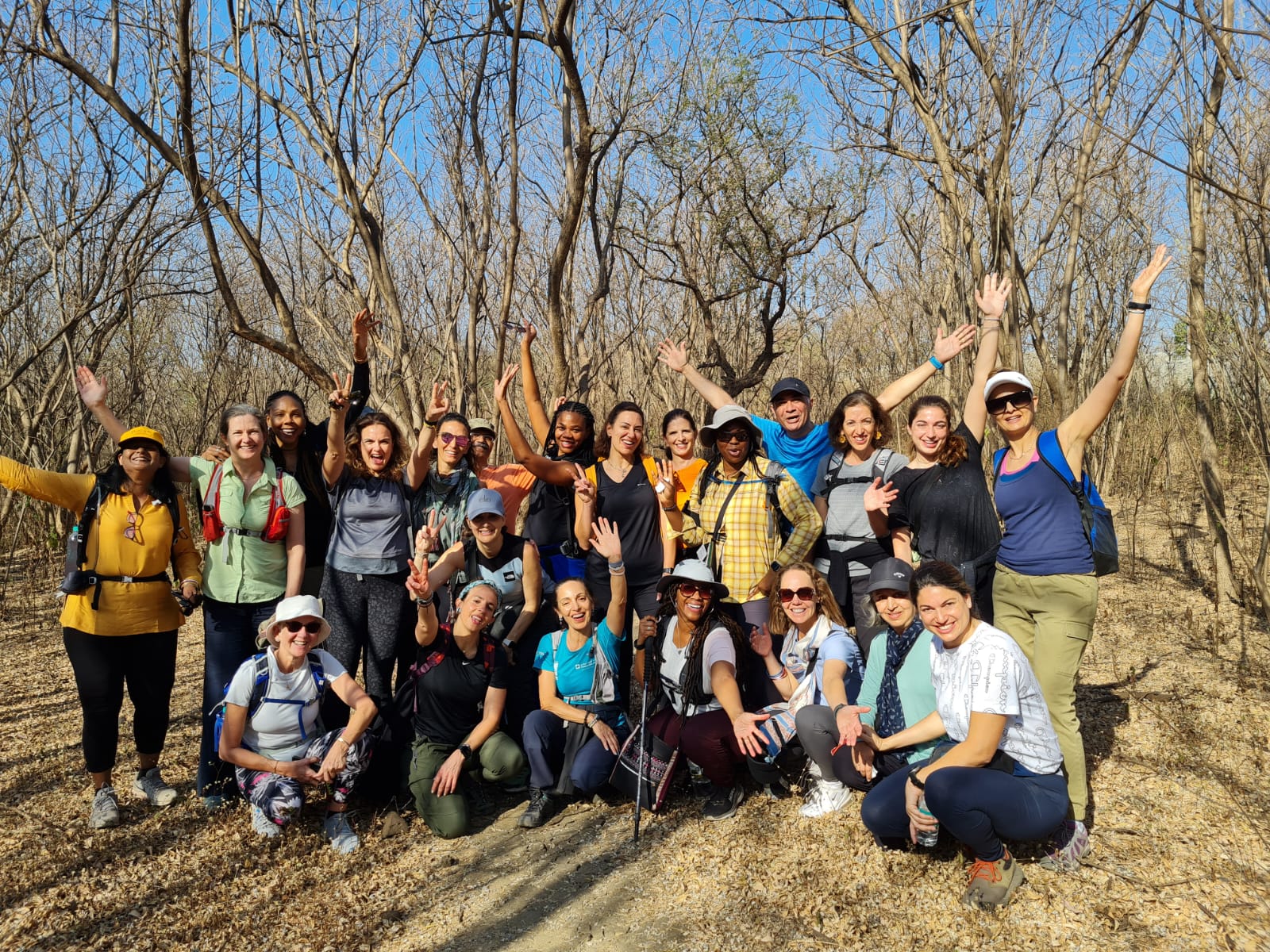
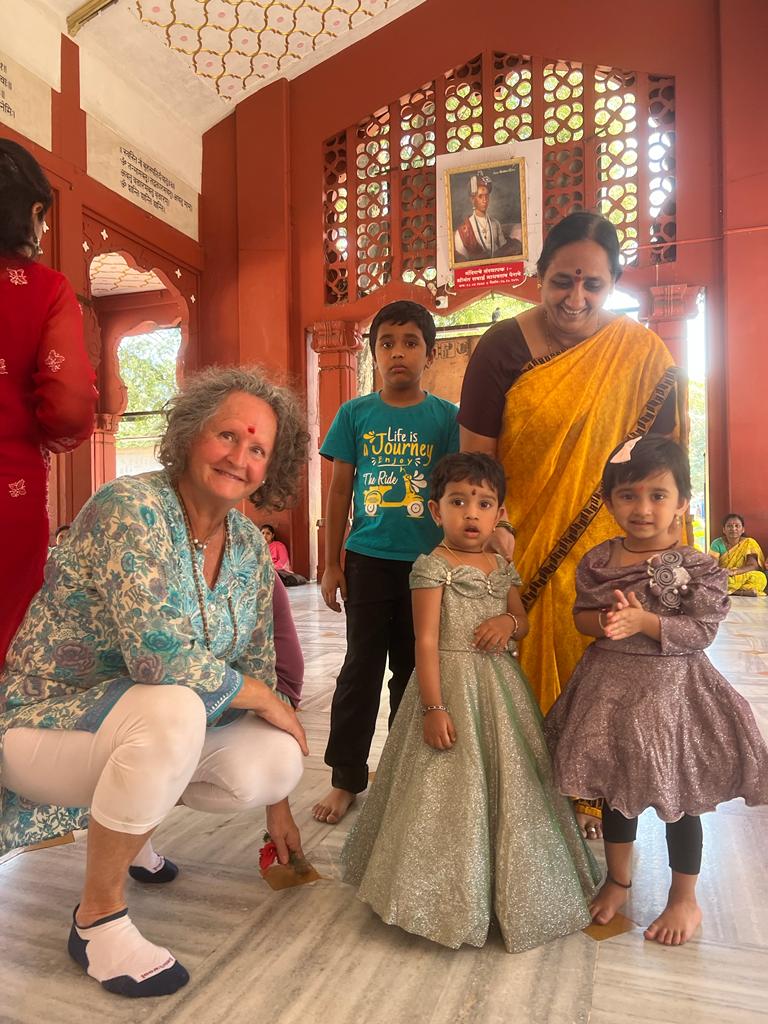
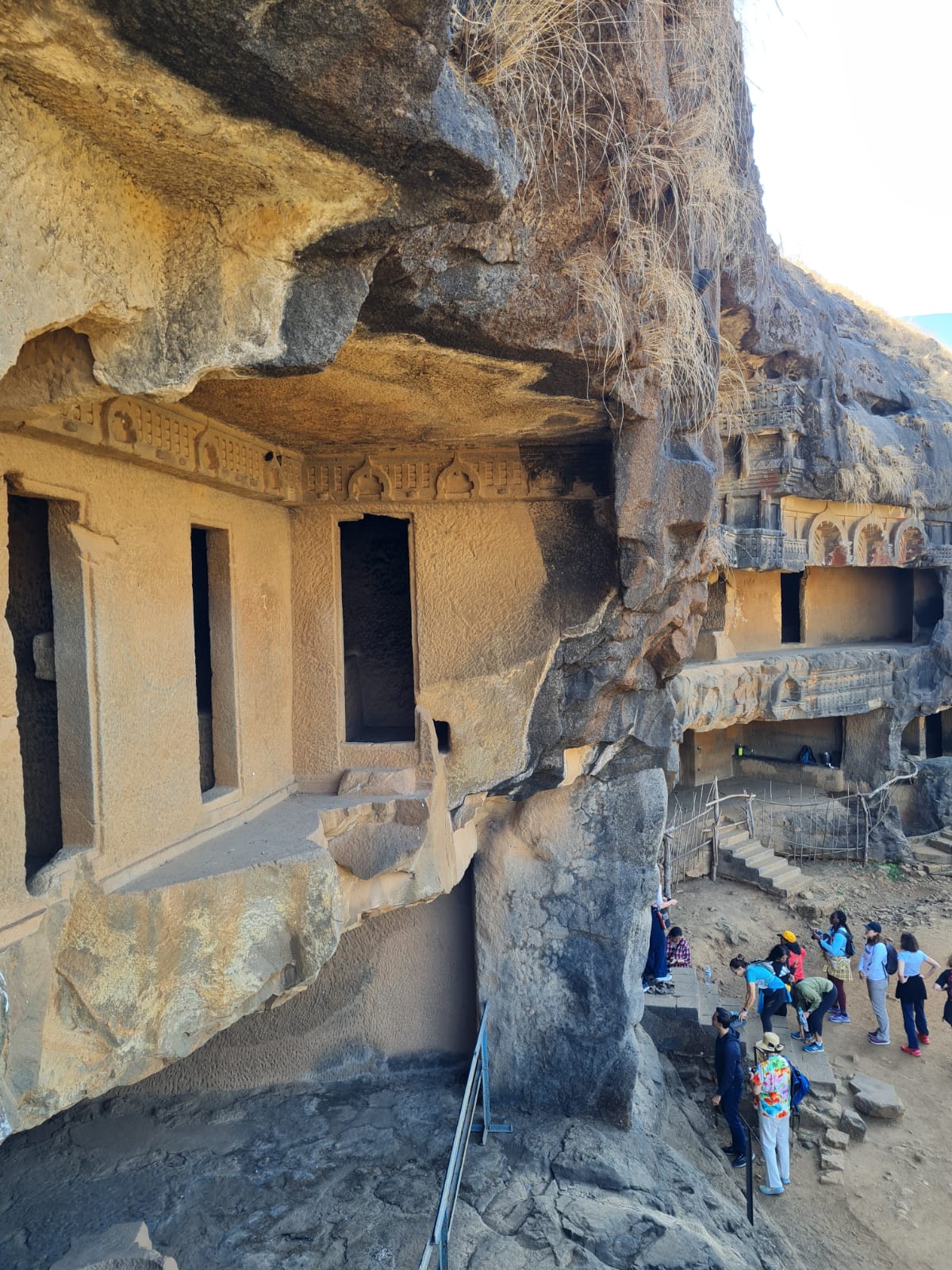
Pictures from our last Journey in India