
About Us


Registration/Bio Form

Medical Release Form

Apply for your t-shirt


A Journey of Discovery through Ancient Wisdom and Modern Love
Dates 1-9 February 2025
New Delhi Add On 30 and 31 January 2025
Geographic Overview
• Khajuraho, Orchha, and Gwalior are all located in the state of Madhya Pradesh, the geographical and cultural “Heart of India.” This region holds a unique balance of sacred sensuality, historical resilience, and artistic heritage, making it a powerful backdrop for exploring Ageless Intimacy.
• Khajuraho invites us to embrace intimacy as sacred, with its UNESCO World Heritage temples that celebrate the union of body, spirit, and divine love through exquisite Tantric carvings.
• Orchha, with its meditative riverbanks, ancient palaces, and quiet spirituality, offers a serene container for reflection, emotional openness, and intergenerational healing.
• Gwalior brings strength and artistry, home to epic fortresses and musical lineage, reminding us that intimacy also requires resilience, expression, and courage.
• Dehradun, in Uttarakhand, rests in the Himalayan foothills and holds deep spiritual resonance. Known as a gateway to India’s sacred north, it provides a place for grounding, stillness, and inner awakening. While geographically apart from Madhya Pradesh, it serves as a poetic starting or ending point, connecting the sensual and the sacred, the earthly and the ethereal, the ancient and the evolving.
Together, these four locations offer more than scenery, they offer symbolism. They invite us to explore intimacy not just as physical connection, but as an evolving dance of presence, trust, vulnerability, and joy across the lifespan.
Interesting facts:
- Famed for its stunning UNESCO World Heritage temples, Khajuraho is an architectural marvel built between the 9th and 12th centuries by the Chandela dynasty.
- The temples are known worldwide for their exquisite erotic carvings, which celebrate sensuality, sacred sexuality, and the divine union of masculine and feminine energies—aligned closely with the philosophy of Tantra and the Kama Sutra.
- Khajuraho is not just about eroticism; it’s about a holistic worldview where desire, devotion, and dharma (duty)
- A hidden gem on the banks of the Betwa River, Orchha was founded in the 16th century and is known for its Rajput-Mughal architecture and spiritual energy.
- It’s home to palaces, cenotaphs (chhatris), and temples that blend royal legacy with devotional reverence.
- Orchha offers a sense of stillness and time travel, making it ideal for inner reflection, emotional exploration, and creative retreats.
- A historic city with strategic military significance, Gwalior is dominated by its impressive hilltop fort—considered one of the most impregnable in India.
- It’s also a center for classical Indian music, being the birthplace of Tansen, one of the nine jewels in Emperor Akbar’s court.
- The city bridges strength and refinement, offering both resilience and cultural elegance—ideal metaphors for emotional and relational journeys.
- Located in the Himalayan foothills, Dehradun is a peaceful town known for its natural beauty, yoga retreats, and spiritual lineage.
- It’s often used as a gateway to Rishikesh and the Char Dham pilgrimage circuit, making it a powerful place to begin or end a journey of spiritual and intimate renewal.
- It represents clarity, higher consciousness, and retreat—offering grounding for those seeking a deeper connection to self and soul.
- Khajuraho – sacred sensuality and divine art
- Orchha – royal grace and meditative calm
- Gwalior – strength, music, and cultural pride
- Dehradun – spiritual clarity and Himalayan peace
Together, these locations create an evocative backdrop for a transformative journey into ageless intimacy, blending body, heart, mind, and spirit across time and terrain.Visit the Western Group of Temples: Kandariya Mahadev, Lakshmana, Vishvanatha. – Explore the Khajuraho Archaeological Museum.
This journey is for any woman who has loved, lost, reawakened, or is simply ready to reimagine intimacy and self-connection through the lens of age, art, and embodied wisdom. Wrapped in the care of an experienced guide and a circle of like-hearted women, you’ll experience the joy of learning while being deeply seen and supported. In this cocoon of shared trust and vulnerability, we invite your whole self, sensual, wise, questioning, bold to show up, learn and grow.
This is more than a tour; it is a guided exploration of emotional, physical, and relational intimacy in our second half of life. Through 12 hours of interactive, heart-opening lectures and conversations, participants will:
- Reflect on their own sexual and emotional history
- Understand the shifts in desire and intimacy that come with age
- Learn how to nurture a deeper connection with yourself and your partner
- Reimagine sensuality through the wisdom of the Kama Sutra
- Embrace curiosity, courage, and humor as we evolve
These teachings unfold in the sacred backdrop of Khajuraho’s temples, carved with expressions of divine sensuality, blending historical exploration with personal awakening.
Grounded in the Four Pillars of the Women’s Heritage Walk
- Health and Wellness– Honouring body, mind, spirit, and personal history
- Culture and Heritage– Learning from the past to empower the present
- Strength and Leadership– Stepping forward with authenticity and purpose
- Community Building or Sisterhood– Supporting each other as we grow and transform
Step beneath the sandstone towers of Khajuraho’s Western Group and time seems to loosen its grip. At Kandariya Mahadev, a forest of 80-plus sculpted spires rises like a stone lotus, each tier alive with sensuous couples, musicians, and celestial dancers. Their fluid postures remind us that desire and devotion spring from the same well, an invitation to explore how intimacy, too, can continue to unfold long after youth fades.
A short walk away, the Lakshmana Temple greets you with friezes that weave mythology with everyday tenderness: a shy glance, a shared laugh, a daring embrace. Here we pause to discuss how stories, whether carved in stone or etched in memory, shape our beliefs about aging bodies and ageless connection.
Finally, the elegant lines of Vishvanatha Temple embody equilibrium: masculine and feminine energies held in perfect architectural balance. Its rhythmic bands of lovers and yogic figures create a natural classroom for reflecting on the balance we seek between passion and presence in later life.
Our journey culminates at the Khajuraho Archaeological Museum, where intimate terracotta panels and miniature bronzes offer quieter, more personal echoes of the grand temples outside. Amid these artifacts, we’ll invite participants to sketch or journal about their own evolving expressions of closeness, transforming ancient art into a living dialogue.
Together, these sacred spaces offer more than visual splendor; they provide a vivid, culturally rich backdrop for a learning tour on Ageless Intimacy, showcasing how love, playfulness, and erotic imagination have always been a part of every stage of life.
- Did you know? The temples of Khajuraho were built over 1,000 years ago, yet their carvings feel strikingly modern—celebrating pleasure, devotion, and emotional connection at every stage of life.
- Kandariya Mahadev’s 80+ sculpted spires rise like a stone lotus, teeming with musicians, dancers, and lovers—inviting us to reflect on how sensuality and spirituality gracefully coexist.
- At Lakshmana Temple, mythological tales pair with small gestures of tenderness—a shared laugh, a stolen glance—reminding us that intimacy is both subtle and bold, both carved in stone and etched in memory.
- Vishvanatha Temple models perfect balance: masculine and feminine energies held in sacred architectural harmony, a living metaphor for the dance between presence and passion.
- The Khajuraho Archaeological Museum offers quieter echoes of intimacy through terracotta panels and bronzes—inviting journaling, sketching, and reflection on our evolving connections.
- Fun & Flirty: Victorian British explorers were so scandalized by Khajuraho’s erotic art that they tried to pretend it didn’t exist. One even claimed the carvings were “for the monkeys”—who, incidentally, still show up for the show. Expect spiritual awakenings and the occasional cheeky photobomb.
Orchha: Stillness Carved in Stone
- Did you know? Orchha was once a hidden capital—founded in the 16th century and now a peaceful sanctuary on the Betwa River.
- Its palaces, temples, and cenotaphs (chhatris) blend royal grandeur with devotional energy, creating a setting ideal for emotional renewal and creative retreat.
- Walking through Orchha is like time travel—its slow rhythm invites us to pause, breathe, and rediscover stillness within.
- Divine Royalty Twist: Orchha is the only place in India where a Hindu god is the legal king—Lord Ram is literally in charge. Palace guards report to him daily. So yes, we’ll be walking through a town that takes divine leadership very seriously.
Gwalior: Fortresses of Strength, Foundations of Song
- Did you know? Gwalior Fort is one of the most formidable in India, towering above the city with centuries of tales hidden in its sandstone walls.
- Gwalior is also the birthplace of Tansen—musician, mystic, and one of the greatest classical composers in Indian history. His legacy reminds us that music, like intimacy, bridges logic and longing.
- The city blends strength with refinement, offering a mirror for emotional growth—where protection and vulnerability can coexist.
- Magic + Mayhem: According to legend, Tansen could light lamps with his voice and summon rain by singing. Oh, and the fort once had a “zero gravity” jail cell that messed with your sense of time and space. (We promise not to put anyone in there… unless we’re metaphorically letting go of time.)
Dehradun: A Gateway to the Soul
- Did you know? Dehradun lies in the Himalayan foothills, a serene town long associated with sages, seekers, and spiritual retreat.
- As a gateway to Rishikesh and the sacred Char Dham circuit, it’s a perfect place to begin or complete a journey of inner intimacy and awakening.
- With crisp mountain air, yoga traditions, and quiet beauty, Dehradun offers the grounding we often crave to connect more deeply with ourselves.
- Spy Secrets & Super Snacks: Dehradun houses India’s top-secret spy training center, like a James Bond school with better chai. Also: don’t leave without trying the local plate-sized parathas—eating two is a local sign of respect (and a commitment to stretchy pants).
Why These Places?
These four destinations aren’t just locations—they are invitations:
- Khajuraho – sacred sensuality and divine art
- Orchha – royal grace and meditative calm
- Gwalior – strength, music, and cultural pride
- Dehradun – spiritual clarity and Himalayan peace
Together, they form a powerful arc for our Journey into Ageless Intimacy—where wisdom is not only studied, but embodied; where stories are carved in stone and laughter echoes through ancient halls; and where intimacy is reimagined as a dance of presence, joy, and soul-deep connection.
Walks in and around:
- Koregaon Park
- Osho Park
- Sarsbaug Gardens
- Parvati Hill
- Sinhagad Fort
- Tekdi
- Bhaje and Karle Caves
Historical Visits to:
- Zapurza Museum
- Pune University
- Tata Motors
- Iyengar Institute for Yoga
- Karve Stree Shikshan Sanstha
- Bhaje and Karle Caves
- Indian Classical Dance
- Kaivalyadham Yoga Institute
Lectures by Experts on:
- Women and Hinduism
- History of India
- Renowned Women of Pune
- Ayurveda
- Indian Classical Dance
- Traditional Indian Diet
- Iyengar Yoga
FAQS for Ageless Intimacy, India
What will be the weather during our journey?
Forecasted Weather for Early February 2026
Khajuraho (Madhya Pradesh)
Expect sunlit, comfortably warm days and cool, pleasant nights.
Dehradun (Uttarakhand)
Anticipate mildly cool mornings and evenings, with sun-drenched, uplifting daytime warmth—ideal for introspection and connection.
Khajuraho
- Days: Warm and inviting, with highs around 28–29 °C (82–85 °F)
- Nights: Cool and refreshing, dipping to 12–15 °C (53–59 °F)
- Rainfall: Extremely minimal—around 1–2 rainy days total, making February one of the driest months
- Sunshine: Brilliant and abundant—expect clear skies with ~300+ sunshine hours
Dehradun
- Days: Crisp and pleasant—highs reach 21–23 °C (70–73 °F)
- Nights: Refreshingly cool—lows around 7–9 °C (45–48 °F) World Weather & Climate Information World Weather Online Weather Atlas
- Rainfall: Generally light, averaging about 3–4 rainy days, totaling 50–60 mm of precipitation for the month
What should I bring, how should I pack for such a journey?
What to Pack & Expect
| Region | Daytime | Nighttime | Rain Forecast |
| Khajuraho | Light, breathable layers; sunhat & scarf | Light sweater or shawl for cool evenings | Very low chance of showers |
| Dehradun | Comfortable daytime wear; layers helpful | Warm sweater or jacket needed at night | Occasional rain, bring a compact umbrella |
Yoga Retreat – please pack comfortable lounging clothes, and Yoga Wear
What are the cultural delicacies of this region?
Madhya Pradesh cuisine is hearty, spice-rich, and deeply rooted in agrarian traditions. It reflects centuries of Rajput, Mughal, and tribal influences, often leaning toward wheat-based breads, slow-cooked vegetables, and fragrant lentils.
- Poha (Flattened Rice)
- What’s in it: Flattened rice sautéed with mustard seeds, curry leaves, turmeric, green chilies, onions, peanuts, and finished with lemon and fresh coriander.
- Why it matters: A popular breakfast dish across MP, Poha is light yet sustaining—often shared with tea during morning gatherings. It’s a gentle entry point into local cuisine and a symbol of hospitality.
- Bhutte Ka Kees
- What’s in it: Grated fresh corn cooked with ghee, mustard seeds, ginger, green chilies, milk, and spices like asafoetida and turmeric.
- Why it matters: This Malwa-region specialty celebrates corn harvests and is often served during monsoon festivals. It’s soft, comforting, and unexpectedly rich in flavor.
- Dal Bafla
- What’s in it: Baked wheat dough balls (bafla) served with spicy lentil curry (dal), ghee, and often a side of chutney or pickle.
- Why it matters: A cousin of Rajasthan’s dal baati, this dish reflects Rajput warrior culture—nourishing, sustaining, and ideal for long journeys. It’s traditionally baked over coals and dipped in ghee for strength and grounding.
- Rogan Josh or Korma (Gwalior influence)
- What’s in it: Tender lamb or chicken cooked slowly in a rich gravy of yogurt, ghee, cloves, cinnamon, and cardamom.
- Why it matters: Influenced by Mughal culinary traditions, Gwalior’s palaces and forts hosted elaborate royal feasts. These gravies symbolize opulence, warmth, and the celebration of life’s pleasures.
- Imarti or Jalebi
- What’s in it: Deep-fried spirals made from urad dal (Imarti) or refined flour (Jalebi), soaked in saffron-sugar syrup.
- Why it matters: Served during festivals and ceremonies, these sweets are about celebration, abundance, and joy. Their sticky sweetness reminds us that pleasure and indulgence are part of sacred connection too.
Flavors of Uttarakhand (Dehradun)
Uttarakhand’s cuisine is simple, nourishing, and deeply tied to mountain life, Ayurvedic principles, and spiritual clarity. It emphasizes local grains, earthy lentils, wild greens, and slow-cooked dishes that ground the body and warm the soul.
- Aloo Ke Gutke
- What’s in it: Spiced, sautéed potatoes tossed with mustard seeds, red chilies, turmeric, and coriander.
- Why it matters: A staple in Garhwali homes, this dish is a comfort food often served during community meals and religious festivals. It’s humble, grounding, and celebratory in its simplicity.
- Kafuli
- What’s in it: A green curry made from spinach, fenugreek leaves, and thickened with rice or wheat flour.
- Why it matters: This nutrient-rich dish reflects the Ayurvedic wisdom of eating seasonally and locally. It’s considered a soul food of the Himalayas and promotes warmth, digestion, and clarity.
- Chainsoo
- What’s in it: Black gram dal (urad dal), roasted and ground, then simmered in a spiced gravy with mustard oil.
- Why it matters: A traditional Kumaoni dish packed with protein and iron, Chainsoo is known for its earthy flavor and ritual significance in temple offerings and family feasts.
- Bal Mithai
- What’s in it: A dense fudge made from roasted khoya (milk solids) coated with white sugar balls.
- Why it matters: Often gifted during festivals or as a token of love, Bal Mithai is Dehradun’s signature sweet—a joyful, sticky reminder that affection can be handmade and edible.
- Mandua (Finger Millet) Roti
- What’s in it: Earthy, gluten-free flatbreads made from mandua (ragi/finger millet), often served with ghee or jaggery.
- Why it matters: Mandua is a sacred grain in Himalayan culture, often used in winter diets and post-ritual meals. It connects body and land, offering nourishment that sustains in mountain climates.
Shared Themes Across Both Regions
- Ghee (clarified butter) is sacred and used in cooking, rituals, and even Ayurvedic massage. It symbolizes nourishment, clarity, and life force (ojas).
- Spices like turmeric, cardamom, and cumin are not just for flavor—they are healing tools deeply woven into daily and spiritual life.
- Meals are acts of intimacy and often shared seated on the floor, with hands, and offered with gratitude and care.
What type of accommodation will be provided during the trek?
Please note you are responsible for any travel and health insurance, and this should include emergency evacuation, cancelation protection, add on excursion, Cancellation protection, Airfare to and from Pune airport
Meet The In-country Cultural Expert
Manjiri Khandekar loves learning and has a degree in Ancient Indian Culture and History from St. Xavier’s College, Mumbai, a Post-Graduate Diploma in Mass Communications from the Sophia Polytechnic, Mumbai, and a Master of Philosophy in French from the University of Pune.
A collaboration with the University of Lausanne, Switzerland, started her career at the University of Pune after authoring a textbook in French language acquisition. Her professional trajectory culminated two decades later with a project at the Montpellier University in France, where she presented two Marathi films subtitled into French with a team of students and teachers. She recently retired after twenty years of teaching French at the Master’s level.
In May of 2007, Manjiri launched her own company: Heritage India Communications Pvt. Ltd. The focus is to create a heightened awareness of India’s rich and vast heritage. In addition to scholarly publications, Heritage India organizes teacher and student workshops, quiz competitions, heritage tours, and multiple online courses on various aspects of Indian heritage for a global audience.
Punyakatha – Pune’s Story of a Million Years, published by Manjiri in October 2021, is a children’s book but serves as a family encyclopedia of the treasures of the region of Pune. As an Army wife, Manjiri has lived and traveled across different parts of India and became involved with the Women’s Heritage Walk in July 2022 and is proud and excited to showcase her country in this unique Walk with women from across the globe.
Anuradha is the Admin and Accounts Head at Heritage India Communications Private Limited. She has been associated with the organization for over a decade and is very closely involved in the day-to-day activities of the organization.
She has completed a bachelor’s degree in science and a bachelor’s in journalism from Pune University.
Alongside her career, she has a keen interest and is involved in various philanthropic activities, as demonstrated by her association with the Rotary International Club Pune. Projects related to generating electricity in tribal areas and creating awareness about women’s health, to name a few. She also helmed the position of the President of the Rotary Club of Pune, Sinhagad Road, during 2021 – 2022.
Namrata has been an integral part of Heritage India Communications Pvt. Ltd. from its inception, handling the marketing and distribution in the early years to handling the website and other digital aspects of the company, even as she moved to Canada.
Namrata has a Bachelor’s from Fergusson College Pune in Economics and Université de Paris 2 in Mass Communications. She also has a Master’s from École Supérieur de Publicité with Certification as a Manager of Communications agencies. She enjoys working with children and being an active part of the community. Alongside Heritage India, she enthusiastically volunteers at her children’s school and is a part-time substitute teacher.
A mother of two active boys, in her free time, she tries to stay fit through dance and sports and explores places and cultures through books.
In-Country Historical Experts
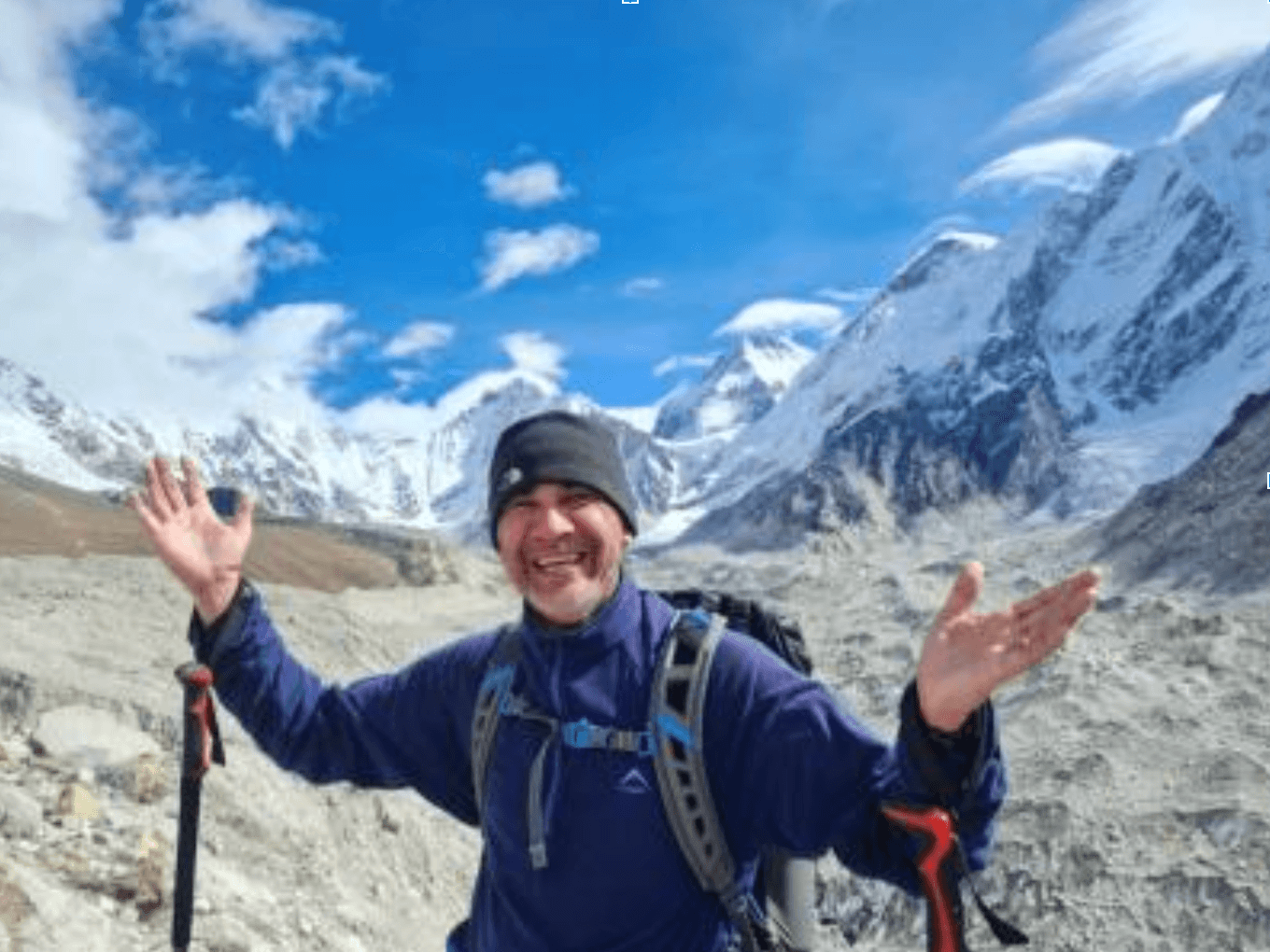
Christopher Louzado
Show More
Travelling across the planet his journeys explore the world outside as also the world within. In his personal life, he is an avid fitness enthusiast, a photographer and a lover of life in general. He’s a marathon runner, a cyclist and a nature lover. Christopher has in October 2022 returned from a successful trek to Everest Base Camp and counts climbing Kilimanjaro and walking the 1000 km Camino de Santiago pilgrimage via the Camino Frances route as some of his treasured journeys.
Show Less
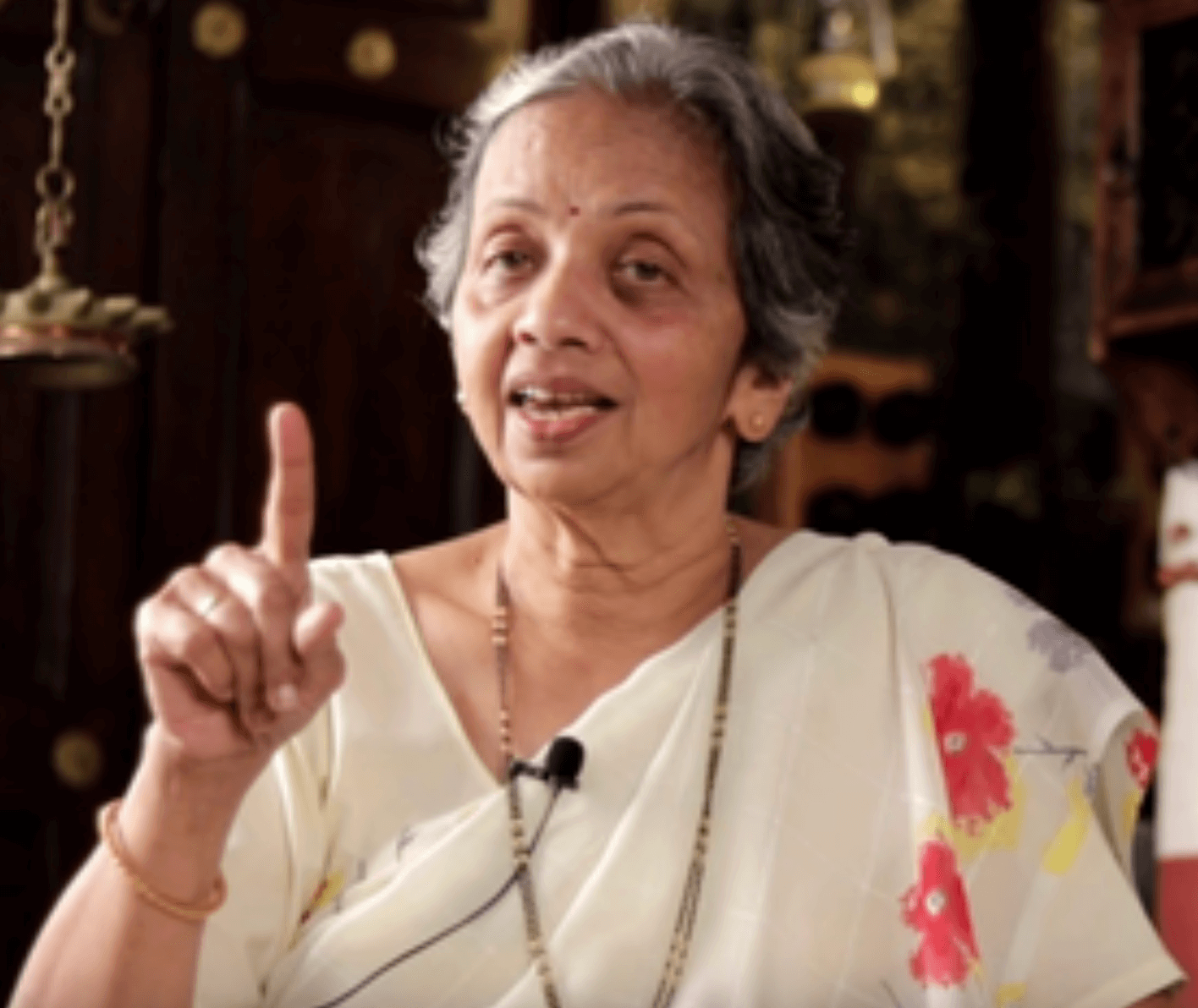
Dr Sucheta Paranjape
Show More
She graduated with Sanskrut and maths topping the University with many prizes. She has a Masters degree In Sanskrut and Pali and her doctoral thesis is on the Samaveda. She has worked in the cultural index of the Mahabharat project at the Bhandarkar Institute, as a professor of Sanskrut, in the Vedic studies and Indology departments. Dr Paranjape was a visiting faculty in Macalester College, St Paul, US and Liepzig University in Germany and was the director of the Associated Colleges of the Midwest, Chicago, USA-India programme for 10 years. Teaching Sanskrut is her profession, passion and mission.
Show Less
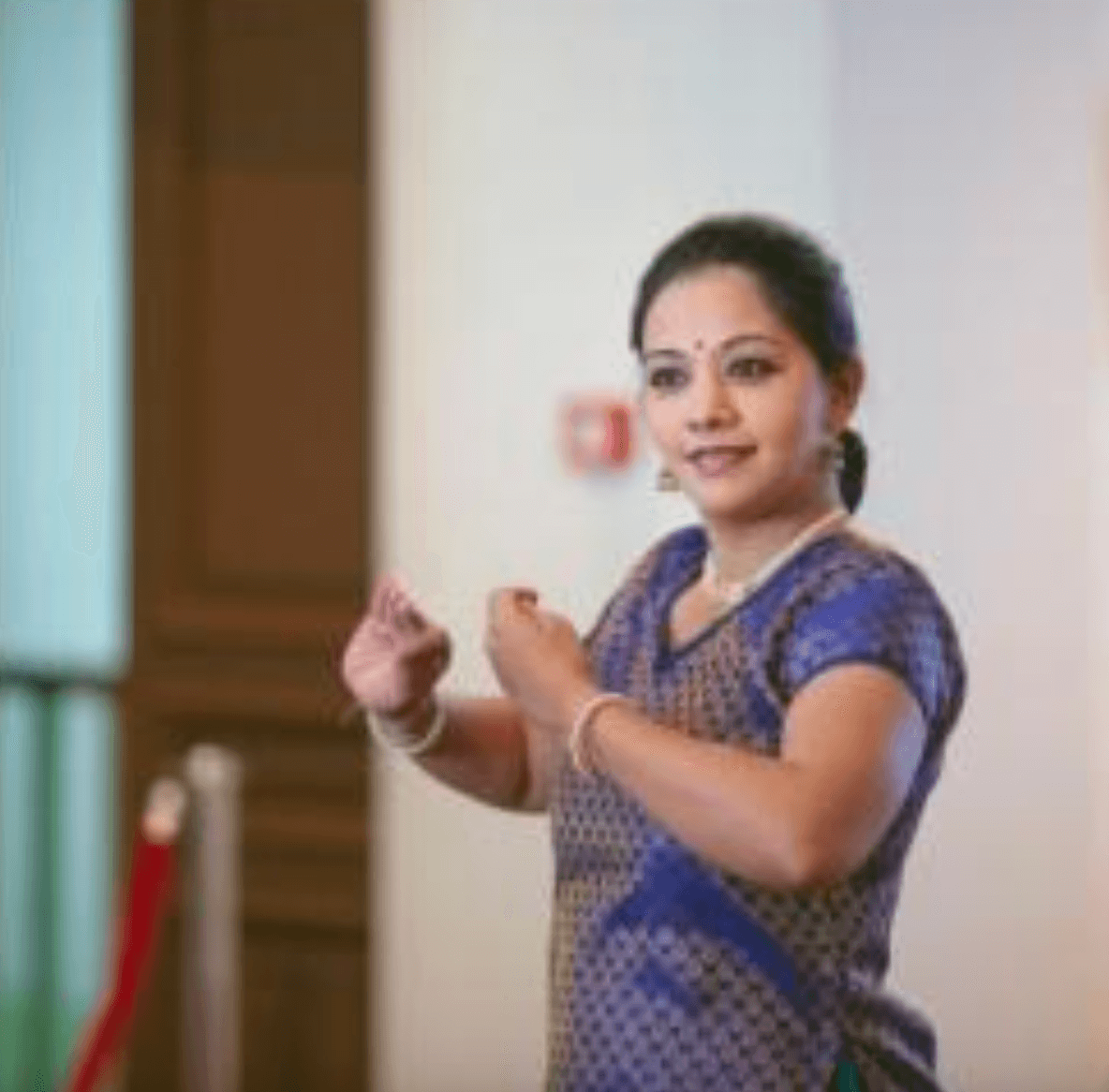
Rashmi Terphale-Pandkar
Show More
In the past 15 years, she has blossomed into an artist with a natural sense of grace and rhythm, qualities for which she was commended by Pt.Birju Maharajji after he watched her perform at the National Kathak Festival in New Delhi.Rashmi has been performing solo and with her peers in India and around the world.Her recent solo performances were at Rome & Milan in Italy,Yoga Centre – Denver, Columbia College- Chicago, University of New Mexico-Albuquerque, Berkeley School of Music -Boston,USA,St Petersberg & Moscow, Russia.At various prestigious festivals in India including The Sangeet Natak Akademi – New Delhi,’Swarna Nritya Pratibha Festival’ at Baroda.Rashmi is the Principal of the Dance Unit at Kalachhaya, where her students have won laurels for their performances.She also makes time to mentor children take their first steps in Kathak. She holds a Masters Degree Degree in Psychology and her areas of research include dance as a aid to therapy.
Show Less
Professor P.K. Ghanekar
Show More
After a distinguished career as Professor of Botany for 37 years, he is now busy doing what he loves most – travelling and writing. The urge to explore and his spirit of enquiry have taken Prof Ghanekar deep into the Himalayas, up to Mt. Everest, and to the forts and fortresses of the Sahyadri Hills of the Western Ghats, with each excursion planned to the last detail. “I never visit places merely to absorb their scenic beauty, but also to study their history, geography, botany and anthropology. That’s the motivation behind my travels,” he says.
Show Less
Sanjana Jog
Show More
She also has a PG Diploma in Human Rights and another PG Diploma in Nutrition and Dietetics. An Army wife, she has travelled a lot all over India as well as abroad. She has worked in various fields and is presently working with Freedom from Diabetes, an organisation dedicated to the reversal of diabetes and other lifestyle illnesses. Sanjana has many hobbies related to food, cooking and Arts and Crafts.
Show Less
Dr Parag Mahajan
Show More
He did fellowship in CT scan from Washington University Medical Centre, USA. Nature and especially Botany is his region of interest along with Environmental issues. He completed M.Sc., Environment and Ecology and 1 year course in Sustainable Development at Ecological Society, Pune. He has co-authored 4 books on trees and written several articles on plants and environmental issues. He has extensively travelled Indian and East African forests to study its flora and fauna.He, with his son has started an organisation called Beyond Wild Travel, which conducts wildlife tours with an objective to create environment protection awareness among people.
Show Less
Dr.Manjiri Bhalerao
Show More
Passionately dedicated to the study and teaching of Ancient India for the last 30 years, Dr Bhalerao has been awarded many honours, including the Lifetime Achievement Award by the International Collectors’ Society of Rare Items and a Research Grant of the Nehru Centre. She is a member of Advisory Body of the ICHR [Indian Council of Historical Research], Pune chapter.
Show Less
Rajalakshmi Nidmarti
Show More
For the last 25 years she has been teaching yoga in the RIMYI [Ramamani Iyengar Memorial Yoga Institute].
Show Less
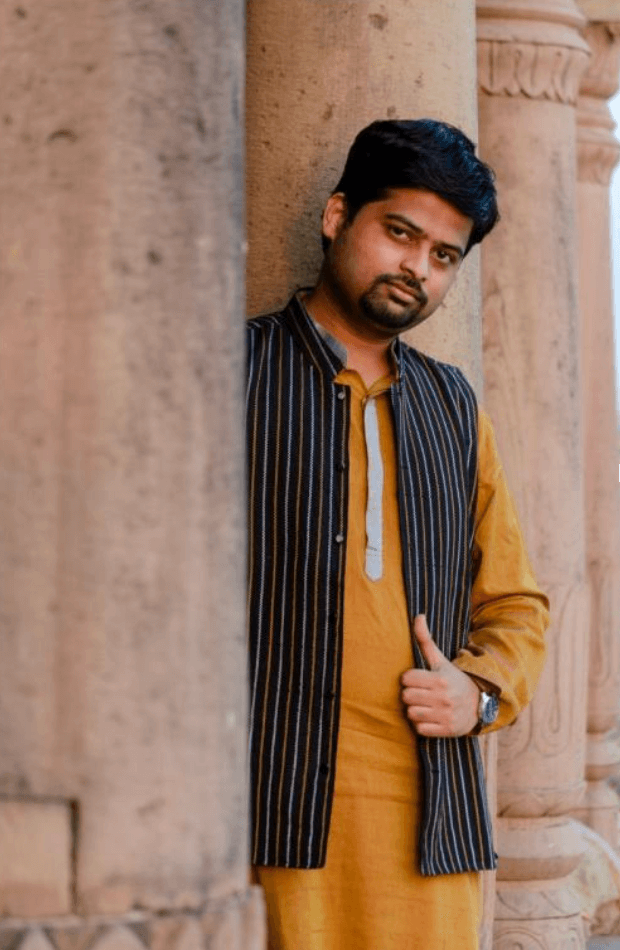
Sandeep Dahisarkar
Show More
He has worked as a Cultural Consultant with the Holkar Cultural Center, Maheshwar, Madhya Pradesh, an initiative of the royal family of Indore. He was also awarded the Gulestan Bilimoria Junior Research Fellowship 2017 by the Asiatic Society of Mumbai for his research – ‘The Cultural History of the Pathare Kshatriyas in the Bombay Presidency’, which resulted in his first book – ‘The Pathare Kshatriyas of Bombay’. His second book पारले: ज्ञात-अज्ञात was published in 2023. He has taught in many different colleges of Mumbai as a Visiting Faculty and is often invited as a Guest Lecturer on the subject of Archaeology & History. He has designed and successfully conducted Heritage walks.
Show Less
Our Partnering Team
- Heritage India Communications Pvt Ltd is a social enterprise with a difference. The aim of the organisation is to inform and educate and thus nurture pride in our national identity. The company was set up in 2007 with the primary aim of creating awareness about India’s rich legacy and we have been doing this through various media.
- We have so far published 2 quarterly magazines–‘Heritage India’ (24 issues) for our company and ‘Maharashtra Unlimited’ (18 issues) for the Department of Tourism of Maharashtra, which has won the ICE (In-house communication excellence) award at the national level for 4 consecutive years; Coffee table books; conducted training workshops for teachers of History and Social Sciences, for trainers for guides for the Maharashtra Tourism Department and conducted quiz programs and excursions for school children. Heritage Tours across the country in company of experts is another of our specialized fields of activity. We create unique experiences through interactive trips to heritage sites.
- The company has a three fold vision: Make all fellow Indians aware of our rich heritage and motivate them to become guardians of the same; give authentic information about this ancient land to all outsiders who are interested; and, carry forward our legacy to future generations.
Registration/Bio Form
Medical Release Form
Apply for your t-shirt
SPONSORSHIP:
We are forever grateful to the individuals, companies, and businesses that believed in the strength and tenacity of women and supported this challenge. Click here to see what sponsors have blessed us since 2016.
Pictures from our Journey
India • February 1-9, 2026
Overview
For any woman who has loved, lost, reawakened, or is ready to reimagine intimacy through the lens of age, art, and embodied wisdom.
Step into India’s most sensuous and sacred settings—Khajuraho’s living stone temples, the poetic palaces of Orchha, and a restorative yoga retreat—for a beautifully guided exploration of emotional, physical, and relational intimacy in the second half of life. We’ll weave Ageless Intimacy, the more profound philosophy of the Kama Sutra (pleasure within purpose), and Tantric presence (breath, awareness, reverence) with story, sculpture, movement, and sisterhood.
What’s inside
• 12 hours of interactive, heart-opening sessions (spaced across the journey)
• Gentle practices for breath, grounding, and connection are all optional, non-explicit, and consent-based
• Cultural immersions that bring India’s integrated view of spirit + sensuality to life
You’ll explore
• Your own sexual and emotional history with compassion, not judgment
• How desire, tenderness, and trust shift and mature with age
• Ways to nurture connection with yourself (and a partner, if partnered)
• Fresh, respectful readings of Kama Sutra wisdom for modern love
• Curiosity, courage, and humor as lifelong companions to intimacy
You’ll leave with
• Clear language for needs and desires
• Simple micro-rituals for daily closeness
• A personal integration plan you can sustain at home
• The steady companionship of women walking the same brave road
This journey is more than a tour; it’s a renewal. Because love doesn’t fade with time; it ripens when we meet it with presence, skill, and heart.
Interesting facts:
- Historical Significance: Built between the 9th and 11th centuries by the Chandela dynasty, the temples of Khajuraho are UNESCO World Heritage Sites known for their intricate carvings, including stunning depictions of sensual and sacred love drawn from the Kama Sutra and Tantric traditions.
- Relevance to Ageless Intimacy: Khajuraho serves as a spiritual and cultural cornerstone for reimagining intimacy as sacred. Here, sensuality is not hidden but elevated, expressed openly through art that celebrates the union of body, mind, and spirit. Visiting these temples invites participants to reflect on how intimacy can deepen with age when approached with reverence, curiosity, and presence.
- Erotic Art with Spiritual Purpose: Only about 10% of the carvings at Khajuraho depict erotic scenes. These are intentionally placed on the outer walls, symbolizing the idea that one must move through desire before entering the spiritual sanctum.
- UNESCO World Heritage Site: The Western Group of Temples, especially the Kandariya Mahadeva Temple, is a masterpiece of architecture and iconography, celebrated worldwide for its harmonious proportions and fine detail.
- Tantric Symbolism: The temple sculptures reflect Tantric philosophy, where sexuality is seen as a path to transcendence and union with the divine, not taboo, but sacred.
- Built by the Chandela Dynasty (950–1050 CE): The temples were constructed during a golden age when art, dance, and devotion were considered inseparable aspects of life and love.
- Astronomical and Cosmic Alignment: Some temples align with celestial patterns, suggesting the builders had an advanced understanding of astronomy, linking love and life to the cosmos.
- Historical Significance: Orchha, once a medieval Bundela capital, is a romantic town where Mughal and Rajput architecture blend harmoniously. It is known for its temples, palaces, and the poignant love story of Rai Parveen, a courtesan, poet, and musician who defied convention with her intelligence and grace.
- Relevance to Ageless Intimacy: Orchha’s poetic legacy inspires women to reclaim their voice, passion, and creative expression. It illustrates how intimacy isn’t just about physical connection but also emotional boldness, loyalty, and the courage to love authentically. The life of Rai Parveen is a powerful reminder that beauty and intimacy can flourish in the second half of life.
- Rai Parveen’s Legacy: Rai Parveen, a courtesan-poet, was so admired for her wit, talent, and beauty that she became a royal consort. Her story defied traditional roles, showing that intimacy also means emotional strength and intellectual connection.
- Romantic Palaces and Riverfront Views: The Jahangir Mahal and Raja Mahal stand as architectural expressions of loyalty, political alliance, and personal affection.
- Wall Paintings of Spiritual Intimacy: The palace walls are adorned with murals of Krishna and Radha, whose divine love story is one of emotional, spiritual, and sensual longing—a perfect metaphor for enduring intimacy.
- Confluence of Hindu and Mughal Aesthetics: Orchha’s architecture blends Hindu temple towers with Mughal arches, symbolizing unity across difference, like the merging of partners in mature love.
- Peaceful, Almost Untouched Setting: Orchha is less touristy, offering an intimate and reflective space, ideal for personal exploration and small group transformation.
- Historical Significance: Gwalior is famed for its majestic hilltop fort, sacred temples, and classical music heritage. It was a stronghold of strategic importance and artistic patronage, deeply linked to India’s cultural evolution.
- Relevance to Ageless Intimacy: Gwalior represents the foundations that sustain enduring love, strength, heritage, and inner structure. Its fortresses and temples metaphorically support the retreat’s message: intimacy that lasts is built not just on desire, but on deep-rooted trust, resilience, and shared values. Gwalior’s blend of power and beauty speaks to the balance needed for love to thrive over time.
- One of India’s Most Impressive Hill Forts: Gwalior Fort has stood for over a thousand years, representing resilience, just as long-lasting relationships must withstand time and trials.
- Cradle of Indian Classical Music: Gwalior is the birthplace of the oldest gharana (school) of Hindustani classical music. Music, like intimacy, evolves with time, practice, and emotional nuance.
- Sas Bahu Temples (Mother-in-law and Daughter-in-law Temples): These temples symbolize generational relationships—essential to understanding love beyond the couple, and into family and legacy.
- Jain Sculptures Carved into Rock Walls: Along the fort’s path are giant Jain tirthankaras, emphasizing meditation and spiritual awakening, a reminder that true intimacy begins within.
- A Center of Courageous Queens: Queen Laxmi Bai of Jhansi took refuge here before becoming a symbol of bravery. Her presence adds a layer of feminine power and leadership, enriching the retreat’s message of reclaiming one’s voice.
Together, Khajuraho, Orchha, and Gwalior create a living curriculum:
• Khajuraho offers spiritual sensuality and sacred embodiment.
• Orchha provides emotional poetry and feminine courage.
• Gwalior grounds the journey in strength, wisdom, and legacy.
They mirror the Five Dimensions of Ageless Intimacy – physical, emotional, relational, intellectual, and spiritual through rich Indian history, feminine mythology, and sensual heritage.
The itinerary is an awakening, where landscapes become teachers, and each step is an invitation to deepen connection with self, others, and the sacred nature of love itself. Whether guided by the grace of Tantra, the wisdom of the Kama Sutra, or the shared human longing that lives in every heart, Ageless Intimacy India invites you to love more consciously, more deeply, and more holistically, honoring age, experience, and the sacredness of our shared journey. Come curious. Leave connected. And carry home a practice you can choose again and again.
Cultural Highlights:
- Khajuraho: Temple tours, museum visits, and sensual sculpture studies
- Orchha: Palaces, poetry, and the love story of Rai Parveen
- Gwalior: Hilltop fortresses, handwoven textiles, and hidden temples
- Kandariya Mahadeva Temple
- LakshmanaTemple
- Vishvanatha Temple
- Tribal & Folk Art Museum
- Raneh Falls Canyon
- Ken Gharial Wildlife Sanctuary
Enchanting Experiences:
-
Opening Ritual in Delhi
-
Evening Light & Sound Show
-
Kamasutra Workshop
-
Spa, Sauna, Treatments
-
Ageless Intimacy Sessions
-
Handwoven textiles Shop
-
Mudra Dance Workshop
-
Evening Temple Blessing
-
Dawn Wildlife Walk at Ken Sanctuary
-
Reflection Circles
-
Sound Healing Under the Stars
Knowledge Sharing by Experts on:
- Rajput, Mughal, and later colonial influences
- Nagara-style Hindu and Jain temple architecture
- Nagara-style Hindu and Jain temple architecture
- Kama Sutra and Tantra
- Western Philosophies of Ageless Intimacy
- Indian Classical Dance
- Traditional Indian Diet
- Ayurveda
FAQS for Ageless Intimacy, India
What will be the weather during our journey?
Forecasted Weather for Early February 2026
Khajuraho (Madhya Pradesh)
Expect sunlit, comfortably warm days and cool, pleasant nights.
Dehradun (Uttarakhand)
Anticipate mildly cool mornings and evenings, with sun-drenched, uplifting daytime warmth—ideal for introspection and connection.
Khajuraho
- Days: Warm and inviting, with highs around 28–29 °C (82–85 °F)
- Nights: Cool and refreshing, dipping to 12–15 °C (53–59 °F)
- Rainfall: Extremely minimal—around 1–2 rainy days total, making February one of the driest months
- Sunshine: Brilliant and abundant—expect clear skies with ~300+ sunshine hours
Dehradun
- Days: Crisp and pleasant—highs reach 21–23 °C (70–73 °F)
- Nights: Refreshingly cool—lows around 7–9 °C (45–48 °F) World Weather & Climate Information World Weather Online Weather Atlas
- Rainfall: Generally light, averaging about 3–4 rainy days, totaling 50–60 mm of precipitation for the month
What should I bring, how should I pack for such a journey?
What to Pack & Expect
| Region | Daytime | Nighttime | Rain Forecast |
| Khajuraho | Light, breathable layers; sunhat & scarf | Light sweater or shawl for cool evenings | Very low chance of showers |
| Dehradun | Comfortable daytime wear; layers helpful | Warm sweater or jacket needed at night | Occasional rain, bring a compact umbrella |
Yoga Retreat – please pack comfortable lounging clothes, and Yoga Wear
What are the cultural delicacies of this region?
Madhya Pradesh cuisine is hearty, spice-rich, and deeply rooted in agrarian traditions. It reflects centuries of Rajput, Mughal, and tribal influences, often leaning toward wheat-based breads, slow-cooked vegetables, and fragrant lentils.
- Poha (Flattened Rice)
- What’s in it: Flattened rice sautéed with mustard seeds, curry leaves, turmeric, green chilies, onions, peanuts, and finished with lemon and fresh coriander.
- Why it matters: A popular breakfast dish across MP, Poha is light yet sustaining—often shared with tea during morning gatherings. It’s a gentle entry point into local cuisine and a symbol of hospitality.
- Bhutte Ka Kees
- What’s in it: Grated fresh corn cooked with ghee, mustard seeds, ginger, green chilies, milk, and spices like asafoetida and turmeric.
- Why it matters: This Malwa-region specialty celebrates corn harvests and is often served during monsoon festivals. It’s soft, comforting, and unexpectedly rich in flavor.
- Dal Bafla
- What’s in it: Baked wheat dough balls (bafla) served with spicy lentil curry (dal), ghee, and often a side of chutney or pickle.
- Why it matters: A cousin of Rajasthan’s dal baati, this dish reflects Rajput warrior culture—nourishing, sustaining, and ideal for long journeys. It’s traditionally baked over coals and dipped in ghee for strength and grounding.
- Rogan Josh or Korma (Gwalior influence)
- What’s in it: Tender lamb or chicken cooked slowly in a rich gravy of yogurt, ghee, cloves, cinnamon, and cardamom.
- Why it matters: Influenced by Mughal culinary traditions, Gwalior’s palaces and forts hosted elaborate royal feasts. These gravies symbolize opulence, warmth, and the celebration of life’s pleasures.
- Imarti or Jalebi
- What’s in it: Deep-fried spirals made from urad dal (Imarti) or refined flour (Jalebi), soaked in saffron-sugar syrup.
- Why it matters: Served during festivals and ceremonies, these sweets are about celebration, abundance, and joy. Their sticky sweetness reminds us that pleasure and indulgence are part of sacred connection too.
Flavors of Uttarakhand (Dehradun)
Uttarakhand’s cuisine is simple, nourishing, and deeply tied to mountain life, Ayurvedic principles, and spiritual clarity. It emphasizes local grains, earthy lentils, wild greens, and slow-cooked dishes that ground the body and warm the soul.
- Aloo Ke Gutke
- What’s in it: Spiced, sautéed potatoes tossed with mustard seeds, red chilies, turmeric, and coriander.
- Why it matters: A staple in Garhwali homes, this dish is a comfort food often served during community meals and religious festivals. It’s humble, grounding, and celebratory in its simplicity.
- Kafuli
- What’s in it: A green curry made from spinach, fenugreek leaves, and thickened with rice or wheat flour.
- Why it matters: This nutrient-rich dish reflects the Ayurvedic wisdom of eating seasonally and locally. It’s considered a soul food of the Himalayas and promotes warmth, digestion, and clarity.
- Chainsoo
- What’s in it: Black gram dal (urad dal), roasted and ground, then simmered in a spiced gravy with mustard oil.
- Why it matters: A traditional Kumaoni dish packed with protein and iron, Chainsoo is known for its earthy flavor and ritual significance in temple offerings and family feasts.
- Bal Mithai
- What’s in it: A dense fudge made from roasted khoya (milk solids) coated with white sugar balls.
- Why it matters: Often gifted during festivals or as a token of love, Bal Mithai is Dehradun’s signature sweet—a joyful, sticky reminder that affection can be handmade and edible.
- Mandua (Finger Millet) Roti
- What’s in it: Earthy, gluten-free flatbreads made from mandua (ragi/finger millet), often served with ghee or jaggery.
- Why it matters: Mandua is a sacred grain in Himalayan culture, often used in winter diets and post-ritual meals. It connects body and land, offering nourishment that sustains in mountain climates.
Shared Themes Across Both Regions
- Ghee (clarified butter) is sacred and used in cooking, rituals, and even Ayurvedic massage. It symbolizes nourishment, clarity, and life force (ojas).
- Spices like turmeric, cardamom, and cumin are not just for flavor—they are healing tools deeply woven into daily and spiritual life.
- Meals are acts of intimacy and often shared seated on the floor, with hands, and offered with gratitude and care.
What type of accommodations will be provided during this journey?
Please note you are responsible for any travel and health insurance, and this should include emergency evacuation, cancellation protection, add-on excursion, and Airfare to and from the New Delhi airport.
Meet The In-country Cultural Expert
Manjiri Khandekar loves learning and has a degree in Ancient Indian Culture and History from St. Xavier’s College, Mumbai, a Post-Graduate Diploma in Mass Communications from the Sophia Polytechnic, Mumbai, and a Master of Philosophy in French from the University of Pune.
A collaboration with the University of Lausanne, Switzerland, started her career at the University of Pune after authoring a textbook in French language acquisition. Her professional trajectory culminated two decades later with a project at the Montpellier University in France, where she presented two Marathi films subtitled into French with a team of students and teachers. She recently retired after twenty years of teaching French at the Master’s level.
In May of 2007, Manjiri launched her own company: Heritage India Communications Pvt. Ltd. The focus is to create a heightened awareness of India’s rich and vast heritage. In addition to scholarly publications, Heritage India organizes teacher and student workshops, quiz competitions, heritage tours, and multiple online courses on various aspects of Indian heritage for a global audience.
Punyakatha – Pune’s Story of a Million Years, published by Manjiri in October 2021, is a children’s book but serves as a family encyclopedia of the treasures of the region of Pune. As an Army wife, Manjiri has lived and traveled across different parts of India and became involved with the Women’s Heritage Walk in July 2022 and is proud and excited to showcase her country in this unique Walk with women from across the globe.
Anuradha is the Admin and Accounts Head at Heritage India Communications Private Limited. She has been associated with the organization for over a decade and is very closely involved in the day-to-day activities of the organization.
She has completed a bachelor’s degree in science and a bachelor’s in journalism from Pune University.
Alongside her career, she has a keen interest and is involved in various philanthropic activities, as demonstrated by her association with the Rotary International Club Pune. Projects related to generating electricity in tribal areas and creating awareness about women’s health, to name a few. She also helmed the position of the President of the Rotary Club of Pune, Sinhagad Road, during 2021 – 2022.
Namrata has been an integral part of Heritage India Communications Pvt. Ltd. from its inception, handling the marketing and distribution in the early years to handling the website and other digital aspects of the company, even as she moved to Canada.
Namrata has a Bachelor’s from Fergusson College Pune in Economics and Université de Paris 2 in Mass Communications. She also has a Master’s from École Supérieur de Publicité with Certification as a Manager of Communications agencies. She enjoys working with children and being an active part of the community. Alongside Heritage India, she enthusiastically volunteers at her children’s school and is a part-time substitute teacher.
A mother of two active boys, in her free time, she tries to stay fit through dance and sports and explores places and cultures through books.
In-Country Historical Experts
Christopher Louzado
Show More
Travelling across the planet his journeys explore the world outside as also the world within. In his personal life, he is an avid fitness enthusiast, a photographer and a lover of life in general. He’s a marathon runner, a cyclist and a nature lover. Christopher has in October 2022 returned from a successful trek to Everest Base Camp and counts climbing Kilimanjaro and walking the 1000 km Camino de Santiago pilgrimage via the Camino Frances route as some of his treasured journeys.
Show Less
Dr Sucheta Paranjape
Show More
She graduated with Sanskrut and maths topping the University with many prizes. She has a Masters degree In Sanskrut and Pali and her doctoral thesis is on the Samaveda. She has worked in the cultural index of the Mahabharat project at the Bhandarkar Institute, as a professor of Sanskrut, in the Vedic studies and Indology departments. Dr Paranjape was a visiting faculty in Macalester College, St Paul, US and Liepzig University in Germany and was the director of the Associated Colleges of the Midwest, Chicago, USA-India programme for 10 years. Teaching Sanskrut is her profession, passion and mission.
Show Less
Rashmi Terphale-Pandkar
Show More
In the past 15 years, she has blossomed into an artist with a natural sense of grace and rhythm, qualities for which she was commended by Pt.Birju Maharajji after he watched her perform at the National Kathak Festival in New Delhi.Rashmi has been performing solo and with her peers in India and around the world.Her recent solo performances were at Rome & Milan in Italy,Yoga Centre – Denver, Columbia College- Chicago, University of New Mexico-Albuquerque, Berkeley School of Music -Boston,USA,St Petersberg & Moscow, Russia.At various prestigious festivals in India including The Sangeet Natak Akademi – New Delhi,’Swarna Nritya Pratibha Festival’ at Baroda.Rashmi is the Principal of the Dance Unit at Kalachhaya, where her students have won laurels for their performances.She also makes time to mentor children take their first steps in Kathak. She holds a Masters Degree Degree in Psychology and her areas of research include dance as a aid to therapy.
Show Less
Professor P.K. Ghanekar
Show More
After a distinguished career as Professor of Botany for 37 years, he is now busy doing what he loves most – travelling and writing. The urge to explore and his spirit of enquiry have taken Prof Ghanekar deep into the Himalayas, up to Mt. Everest, and to the forts and fortresses of the Sahyadri Hills of the Western Ghats, with each excursion planned to the last detail. “I never visit places merely to absorb their scenic beauty, but also to study their history, geography, botany and anthropology. That’s the motivation behind my travels,” he says.
Show Less
Sanjana Jog
Show More
She also has a PG Diploma in Human Rights and another PG Diploma in Nutrition and Dietetics. An Army wife, she has travelled a lot all over India as well as abroad. She has worked in various fields and is presently working with Freedom from Diabetes, an organisation dedicated to the reversal of diabetes and other lifestyle illnesses. Sanjana has many hobbies related to food, cooking and Arts and Crafts.
Show Less
Dr Parag Mahajan
Show More
He did fellowship in CT scan from Washington University Medical Centre, USA. Nature and especially Botany is his region of interest along with Environmental issues. He completed M.Sc., Environment and Ecology and 1 year course in Sustainable Development at Ecological Society, Pune. He has co-authored 4 books on trees and written several articles on plants and environmental issues. He has extensively travelled Indian and East African forests to study its flora and fauna.He, with his son has started an organisation called Beyond Wild Travel, which conducts wildlife tours with an objective to create environment protection awareness among people.
Show Less
Dr.Manjiri Bhalerao
Show More
Passionately dedicated to the study and teaching of Ancient India for the last 30 years, Dr Bhalerao has been awarded many honours, including the Lifetime Achievement Award by the International Collectors’ Society of Rare Items and a Research Grant of the Nehru Centre. She is a member of Advisory Body of the ICHR [Indian Council of Historical Research], Pune chapter.
Show Less
Rajalakshmi Nidmarti
Show More
For the last 25 years she has been teaching yoga in the RIMYI [Ramamani Iyengar Memorial Yoga Institute].
Show Less
Sandeep Dahisarkar
Show More
He has worked as a Cultural Consultant with the Holkar Cultural Center, Maheshwar, Madhya Pradesh, an initiative of the royal family of Indore. He was also awarded the Gulestan Bilimoria Junior Research Fellowship 2017 by the Asiatic Society of Mumbai for his research – ‘The Cultural History of the Pathare Kshatriyas in the Bombay Presidency’, which resulted in his first book – ‘The Pathare Kshatriyas of Bombay’. His second book पारले: ज्ञात-अज्ञात was published in 2023. He has taught in many different colleges of Mumbai as a Visiting Faculty and is often invited as a Guest Lecturer on the subject of Archaeology & History. He has designed and successfully conducted Heritage walks.
Show Less
Our Partnering Team
- Heritage India Communications Pvt Ltd is a social enterprise with a difference. The aim of the organisation is to inform and educate and thus nurture pride in our national identity. The company was set up in 2007 with the primary aim of creating awareness about India’s rich legacy and we have been doing this through various media.
- We have so far published 2 quarterly magazines–‘Heritage India’ (24 issues) for our company and ‘Maharashtra Unlimited’ (18 issues) for the Department of Tourism of Maharashtra, which has won the ICE (In-house communication excellence) award at the national level for 4 consecutive years; Coffee table books; conducted training workshops for teachers of History and Social Sciences, for trainers for guides for the Maharashtra Tourism Department and conducted quiz programs and excursions for school children. Heritage Tours across the country in company of experts is another of our specialized fields of activity. We create unique experiences through interactive trips to heritage sites.
- The company has a three fold vision: Make all fellow Indians aware of our rich heritage and motivate them to become guardians of the same; give authentic information about this ancient land to all outsiders who are interested; and, carry forward our legacy to future generations.
Registration/Bio Form
Medical Release Form
Apply for your t-shirt
SPONSORSHIP:
We are forever grateful to the individuals, companies, and businesses that believed in the strength and tenacity of women and supported this challenge. Click here to see what sponsors have blessed us since 2016.
Pictures from our Journey